Clinical pharmacology designed around the decision ahead
A clinical pharmacology study should begin with a clear understanding of the development decision the study is intended to inform. Dose, regimen, population, sampling strategy and analysis must work together to answer the right question at the right point in development.
This requires more than collecting pharmacokinetic data. Exposure, response, safety and sources of variability need to be considered together so the results can be interpreted in the context of the wider clinical development strategy.
Our clinical pharmacology services connect scientific strategy with practical study delivery. We help sponsors define the question, translate it into a feasible protocol and generate evidence to inform subsequent clinical development.

Connected clinical pharmacology support, from strategy to interpretation
We align scientific strategy, study design and operational delivery around the evidence your development plan requires.
Define the question
We review the available non-clinical and clinical evidence, identify remaining uncertainties and clarify what the study needs to establish. This creates a focused development question and a clear basis for the study design and decisions that follow.
Design the study
We translate the development question into a feasible study design, considering the population, dosing approach, sampling schedule, endpoints and planned analyses. Scientific priorities, regulatory expectations and operational requirements are assessed together before the protocol is finalised.
Prepare for delivery
We coordinate feasibility, regulatory submissions, operational planning, participant recruitment and sample logistics before the study begins. Responsibilities, timelines and dependencies are defined early so the study can move into delivery with fewer gaps and avoidable delays.
Conduct the study
Our teams coordinate clinical conduct, safety oversight, PK sampling, sample handling and data collection in line with the protocol and planned analyses. Close communication throughout the study helps us identify issues early and keep delivery on track.
Analyse and interpret
We support PK and statistical analysis and interpret the results in the context of the study objectives. The findings are presented clearly to help sponsors understand what the evidence supports, where uncertainty remains and what may need to be addressed next.
Human clinical pharmacology in healthy volunteers and patients
Clinical pharmacology questions may require different populations and delivery settings. We support PK studies in healthy volunteers, patients and special populations, aligning the study population and operational approach with the evidence required.
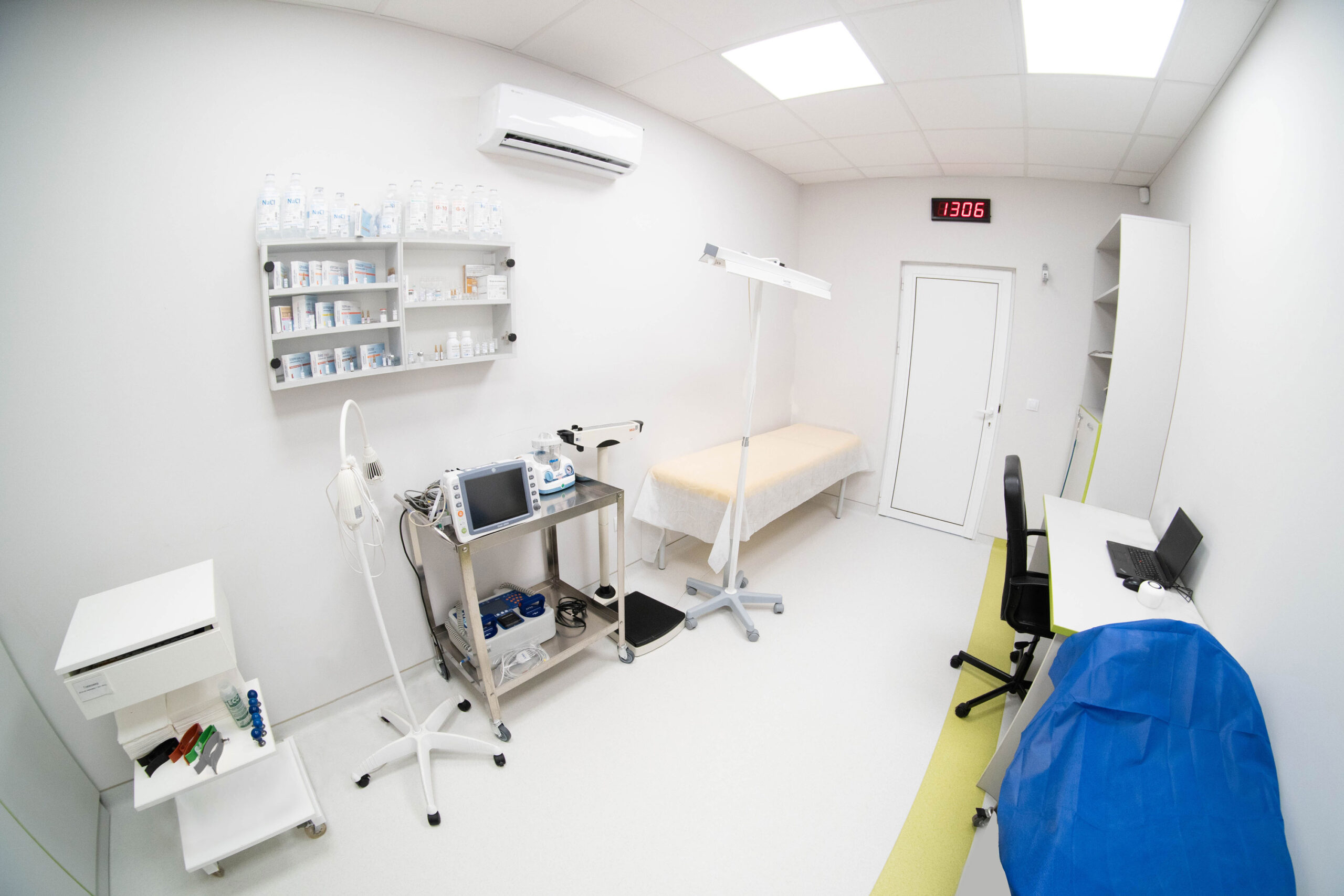
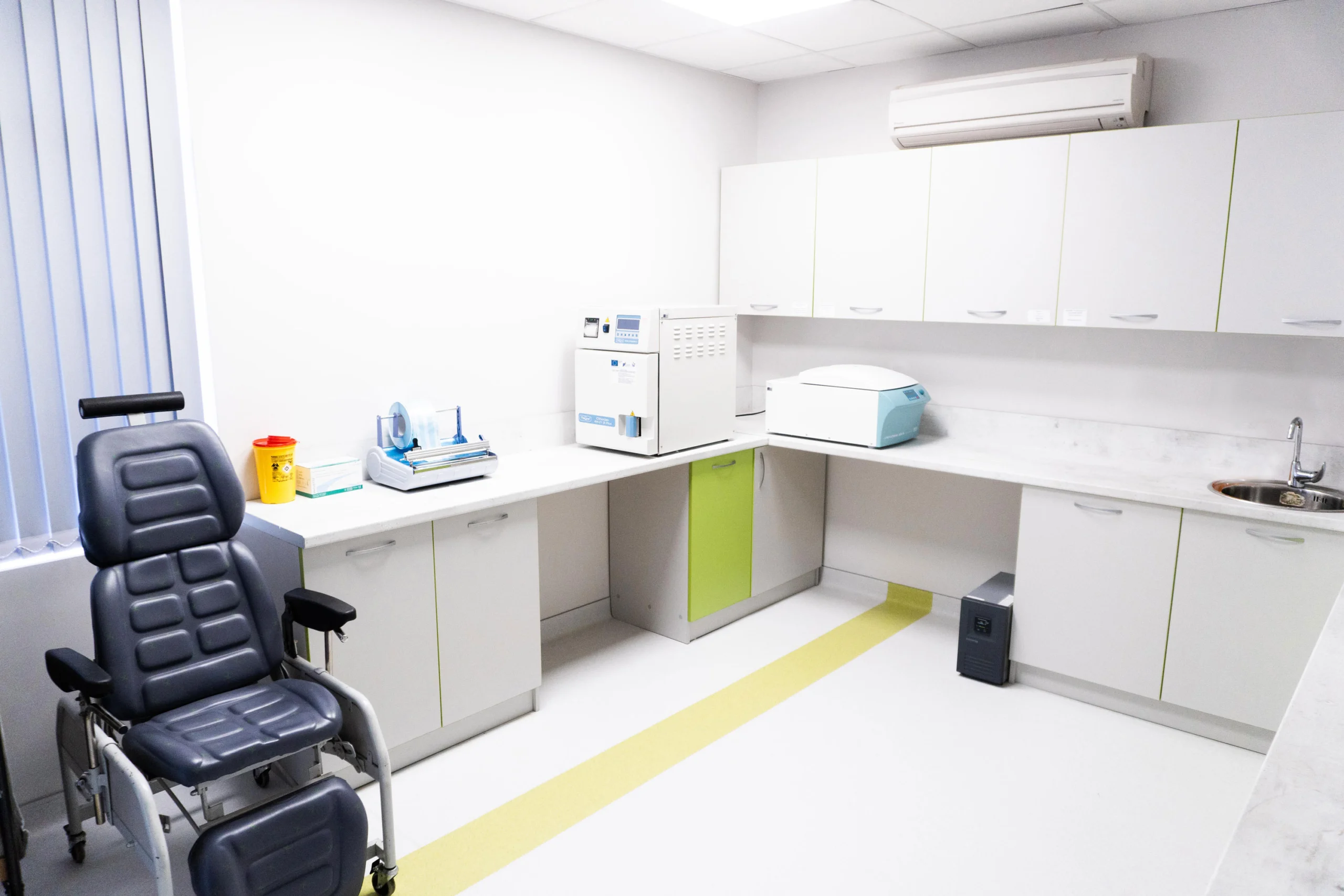
Our Phase I Unit in Sofia brings clinical, pharmacy, clinical laboratory and operational teams into a coordinated delivery model. This supports intensive PK sampling and sample handling, alongside coordination with external bioanalytical laboratories and alignment with planned analyses.


PK and clinical pharmacology studies we support
Our support is shaped around the product, development stage and evidence required.
First-in-human, SAD and MAD studies
Characterise safety, tolerability and PK across increasing dose levels following single or multiple administrations.
First-in-human, SAD and MAD studies
Food-effect and drug-drug interaction studies
Assess how food affects exposure and whether co-administered medicines alter exposure to the investigational product, or whether the investigational product alters exposure to them.
Food-effect and drug-drug interaction studies
Bioavailability and bioequivalence studies
Compare exposure between formulations or products to generate relative bioavailability or bioequivalence evidence.
Bioavailability and bioequivalence studies
Clinical pharmacology studies in patients
Generate PK or PK/PD evidence in the target disease population, including within Phase Ib and proof-of-concept studies.
Clinical pharmacology studies in patients
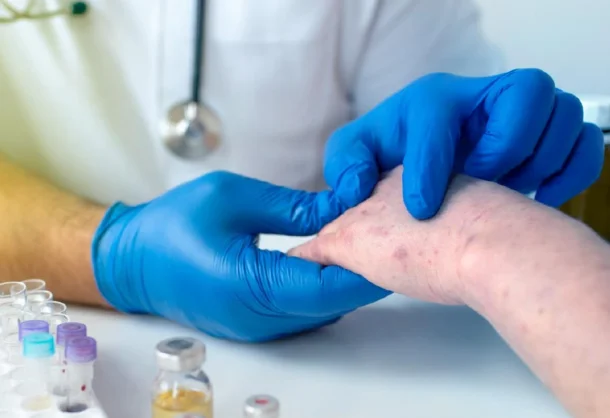
Phase I PK and clinical pharmacology study in atopic dermatitis
Clarenta supported a dose-escalation study evaluating an investigational topical therapy in adults with mild-to-moderate atopic dermatitis.
Targeted recruitment and coordinated dermatology and clinical pharmacology expertise enabled 24 of 26 screened participants to enrol, completing the planned study population in approximately four months.
PK and clinical pharmacology FAQs
A clinical pharmacology CRO can support scientific and regulatory planning, protocol development, clinical study delivery, PK data analysis, statistical analysis and interpretation of the findings. The specific scope depends on the product, development stage and evidence required.
Yes. The appropriate population depends on the medicine, its known or anticipated risks and the question the study needs to answer. Some PK studies can be conducted in healthy volunteers, while others require patients or special populations.
Planning should begin early enough for the development question to shape the study population, dosing approach, sampling schedule and analysis. Early alignment helps ensure that the study is designed to generate evidence relevant to the decisions ahead.