Clarenta: your proven early phase CRO partner
With experience from more than 300 early-phase studies across 19 therapeutic areas, Clarenta brings a broad clinical perspective to the scientific and operational questions that shape early phase clinical development.
Our work spans oncology and onco-haematology, neurology, immunology, respiratory diseases, nephrology, gastroenterology and other complex therapeutic settings. From dose escalation, safety and tolerability assessment to PK evaluation and early efficacy signals, our teams understand how study design and delivery must work together to generate meaningful evidence.
We apply this experience across studies involving healthy volunteers, patients and specialist populations, helping sponsors anticipate challenges, maintain momentum and make clearer decisions about the next stage of their programme.


Build clarity into every early phase decision
Early phase clinical development is where scientific potential first translates into clinical evidence. Decisions on starting dose, dose-escalation strategy, study population, endpoints and study sequence can ultimately shape the trajectory and value of an entire development programme.
As an early phase CRO, Clarenta connects strategy, clinical pharmacology and trial delivery across the early development journey. We help biotech and pharmaceutical sponsors translate non-clinical evidence into a practical clinical plan, execute complex early phase clinical trials across Europe and interpret emerging data in the context of what comes next.
Early phase clinical development shaped around your goals
Challenges & Solutions
An evolving evidence base
The evidence continues to evolve, leaving critical development questions and gaps to resolve.
A focused development plan
We review the evidence, identify gaps and define what each early phase study needs to answer.
Balancing safety and learning
The protocol must protect participants while generating the evidence needed for the next decision.
A protocol designed for both
We align dose escalation, safety review, sampling and endpoints around clear decision criteria.
Finding the right participants
Selecting the right population, sites and countries can affect feasibility, recruitment and timelines.
A population strategy that fits
We connect population strategy, site feasibility and recruitment planning from the earliest stages.
Coordinating complex delivery
Intensive procedures, specialist vendors and rapid data review can create fragmented delivery.
One connected early phase CRO partner
We bring clinical, operational and data expertise together through one coordinated delivery approach.
Finding the right participants for your early phase study
Healthy volunteers
Patients
Special populations
One connected path from evidence to execution
Our early phase CRO model connects strategic thinking with the realities of study delivery. The result is a plan that remains scientifically coherent as evidence develops and operational decisions are made.
Review the evidence
We examine the available non-clinical, CMC, translational and clinical evidence to clarify assumptions, dependencies and development gaps.
Define the development
Together, we establish study objectives, milestones, target populations, endpoints and decision criteria aligned with the programme strategy.
Design the study
We translate the strategy into a feasible protocol and regulatory plan, including scientific advice and authority interactions where appropriate.
Plan for real-world delivery
Country, site and investigator feasibility are assessed alongside participant availability, recruitment pathways, vendor needs, timelines and operational risk.
Execute with visibility
Our teams coordinate submissions, start-up, site activation, recruitment, monitoring, safety, data and study delivery with clear ownership and communication.
A Phase I unit built for demanding early development studies
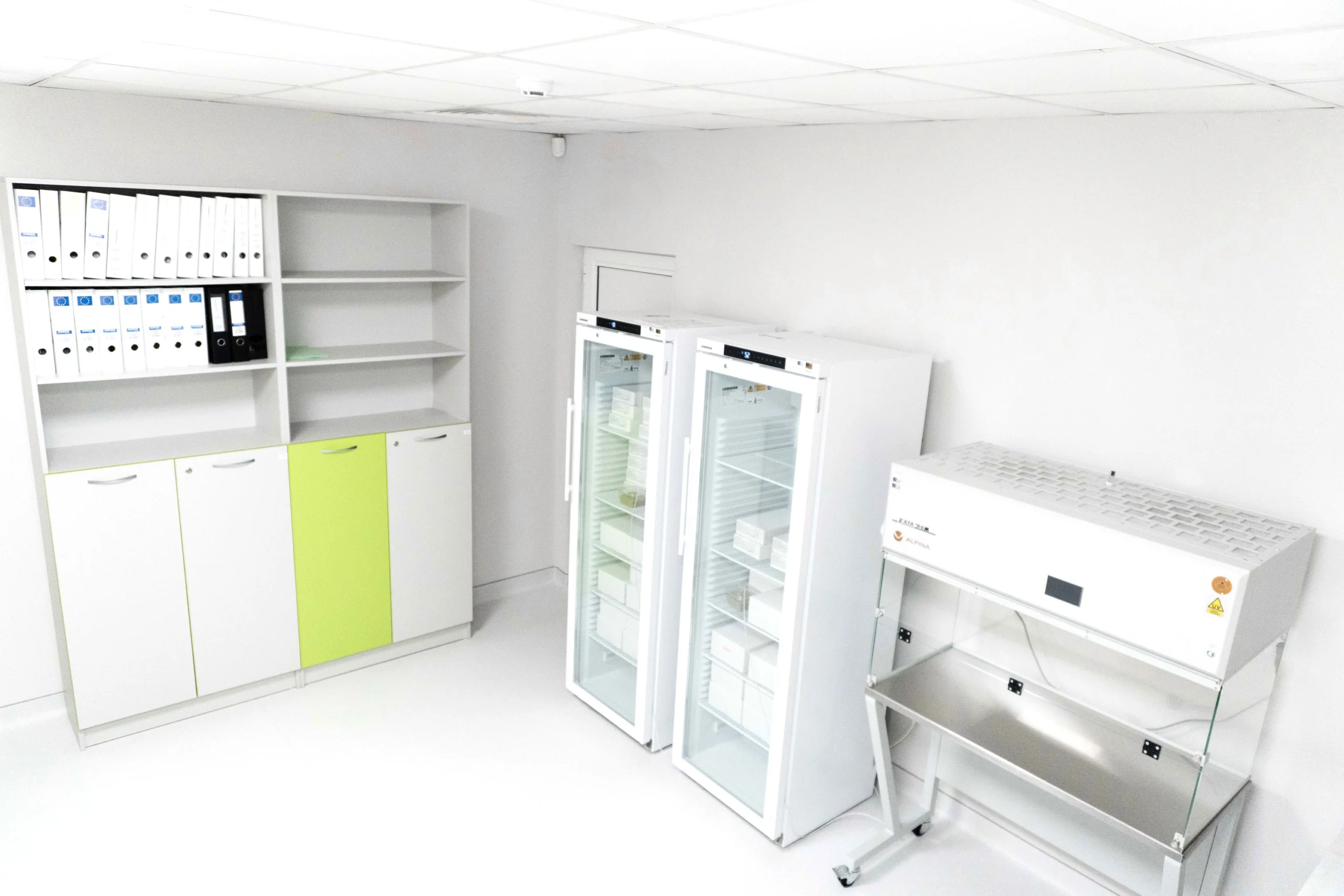
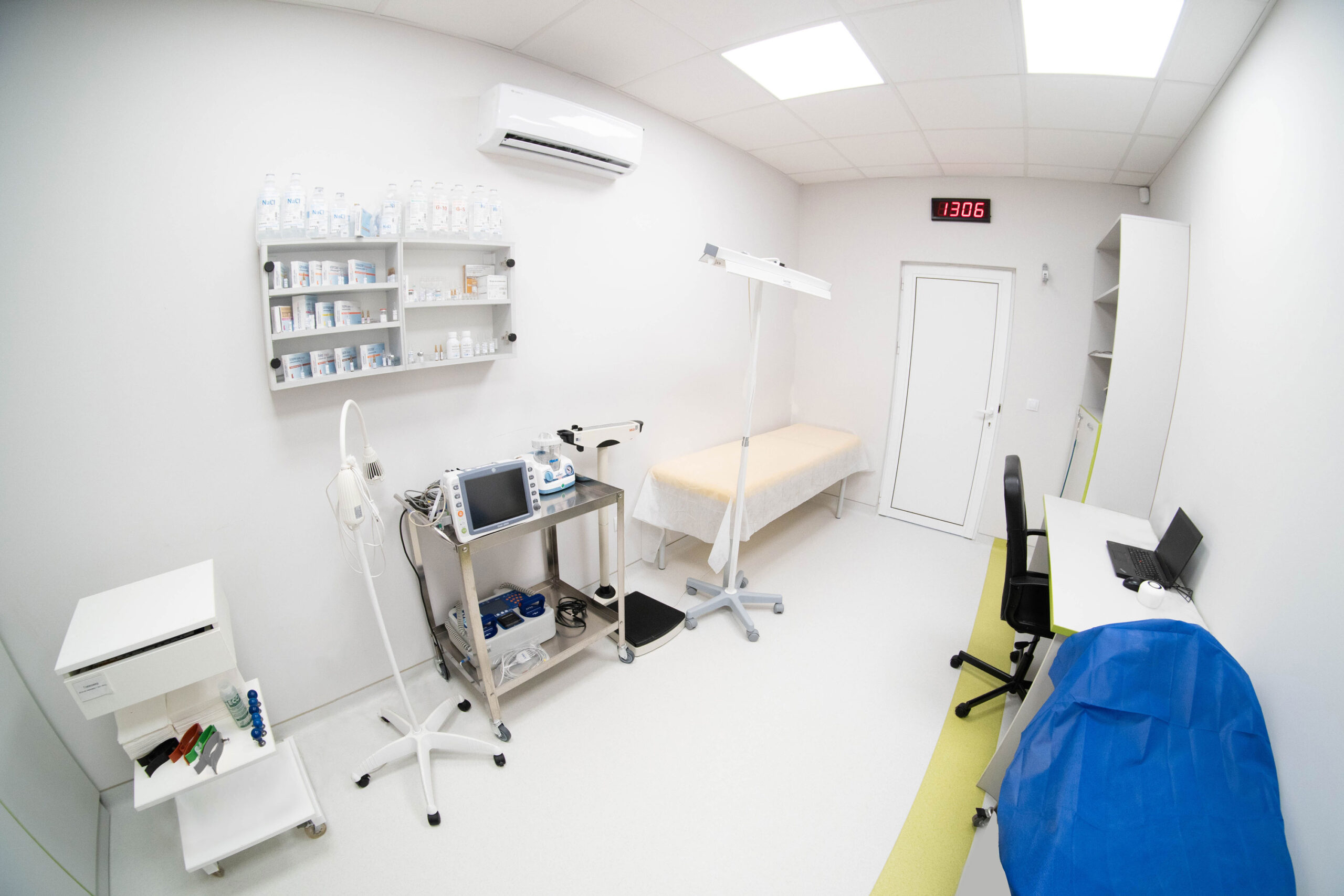
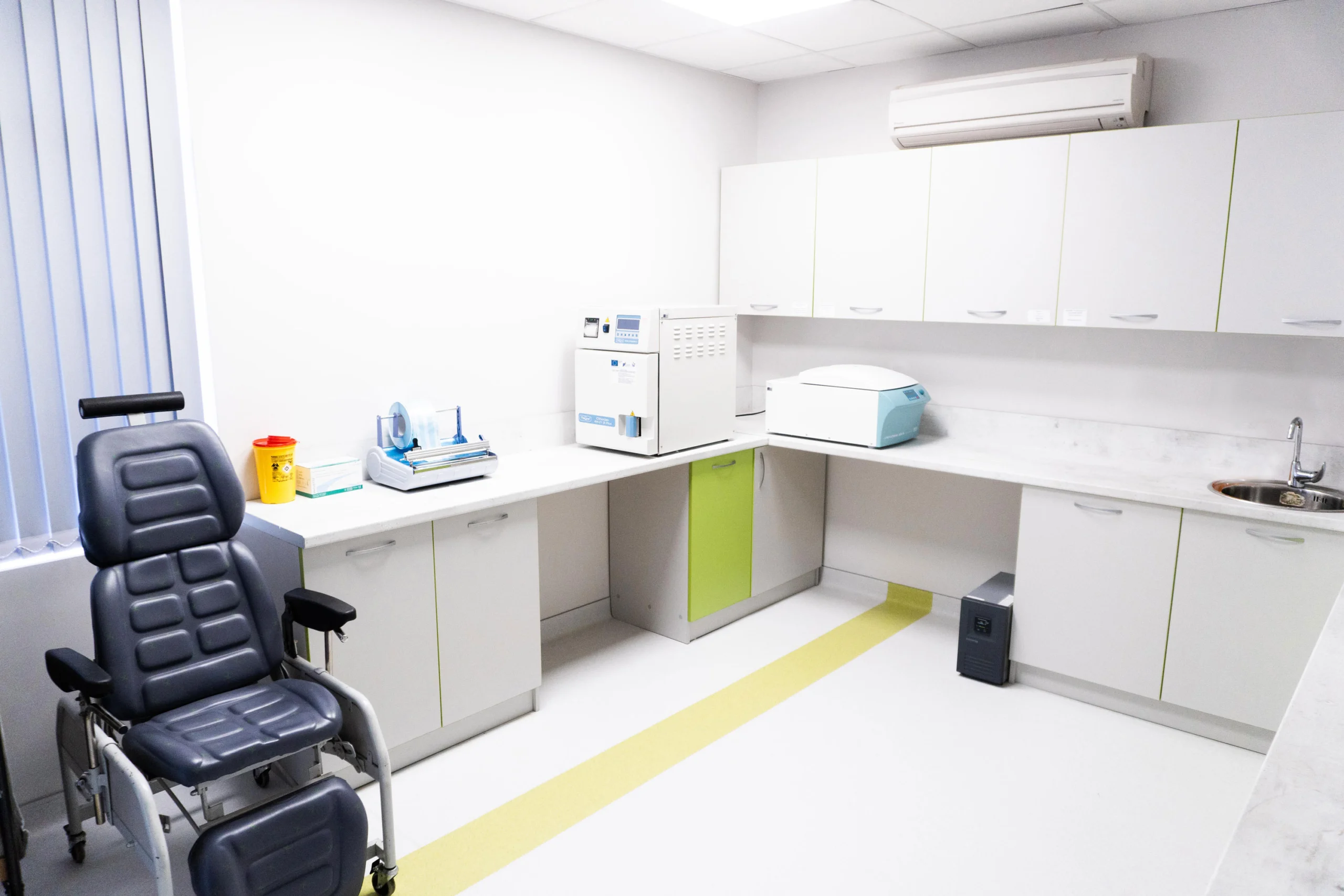
Clarenta’s purpose-built Phase I unit in Sofia conducts studies in healthy volunteers and patient populations. Experienced clinical teams work closely with our Sofia clinical laboratory to coordinate study procedures, intensive sampling and safety laboratory testing.
As part of Clarenta’s wider early development offering, the unit provides direct access to the clinical, scientific and operational expertise behind the programme. This gives sponsors clearer oversight of study progress, faster communication across teams and reliable data to guide the next development decision.







Experienced teams guiding your programme





Case Study: Coordinating an Intensive Early-Phase Oncology Study
Clarenta supported a Phase I oncology study evaluating the pharmacokinetics and safety of an intravenous fixed-dose antiemetic combination in adult cancer patients receiving highly emetogenic chemotherapy.
At a clinical research centre in Bulgaria, we combined experienced research nurses, dedicated site management and on-site study coordination to support accelerated recruitment and time-sensitive pharmacokinetic procedures around patients’ chemotherapy schedules. The centre enrolled 36 patients in approximately two months.

Early phase clinical development FAQs
Early phase clinical development is the first stage of testing an investigational therapy in humans. It focuses on safety and tolerability, pharmacokinetics, pharmacodynamics, dose selection and early signals of biological or clinical activity. It commonly includes first-in-human, Phase I, Phase Ib/IIa, proof-of-concept and clinical pharmacology studies.
An early phase CRO can support clinical development strategy, protocol design, regulatory planning, feasibility, site selection, trial management, participant recruitment, monitoring, safety, data management and clinical pharmacology. The most effective model connects these capabilities so that study delivery remains aligned with the evidence the sponsor needs.
Early phase programmes may include first-in-human studies, single- and multiple-ascending-dose studies, food-effect and drug–drug interaction studies, PK/PD studies, early patient trials and proof-of-concept studies. The sequence depends on the therapy, indication, evidence base and regulatory strategy.
It can. Early phase development often extends into Phase Ib and Phase IIa studies when the objective is to refine dose, explore activity in patients or generate early proof of concept before larger confirmatory trials.
Engagement is most valuable before the protocol and operational assumptions are fixed. Early involvement allows clinical strategy, regulatory planning, feasibility, population choice and study design to be considered together, reducing the risk of avoidable redesign or delay.
The choice depends on the therapy’s mechanism, non-clinical profile, expected risks, indication and ethical considerations. Healthy volunteers may provide a controlled setting for some programmes, while patients may be more appropriate when the therapy carries higher risk or when early biological activity must be assessed in the target disease.
A single-ascending-dose study evaluates increasing single doses across participant cohorts. A multiple-ascending-dose study evaluates repeated dosing at increasing dose levels. Together, they help characterise safety, tolerability and PK across dose and exposure ranges.
Clinical pharmacology connects dose, exposure, response and safety. PK and PD evidence helps sponsors understand how a therapy behaves in humans, select doses and dosing schedules, interpret variability and plan subsequent studies with greater confidence.
Yes. A connected CRO can maintain strategic and operational continuity across first-in-human, Phase I, early patient and Phase IIa studies. This reduces handovers and helps each study build deliberately on the evidence generated before it.
Sponsors should assess relevant therapeutic and clinical pharmacology expertise, regulatory knowledge, access to suitable sites or a Phase I unit, recruitment capability, data and safety processes, project leadership and communication. The partner should also show how it will connect study execution to the programme’s next decision—not simply complete a list of tasks.