First-in-Human studies built around informed decisions
A First-in-Human study is the first time an investigational medicinal product is administered to human participants. It is designed to characterise initial safety and tolerability, understand pharmacokinetics and, where relevant, pharmacodynamics, and generate the evidence needed to guide dose escalation and further clinical development.
Early planning includes defining a scientifically justified starting dose, escalation strategy and review process based on available non-clinical and clinical pharmacology data.
A well-designed FIH clinical trial also looks beyond the first dose. The protocol defines how emerging safety, PK and PD data will be reviewed between cohorts. It establishes the criteria and responsibilities for deciding whether to escalate, de-escalate, repeat, modify or stop dosing.
Clarenta supports biotech and pharmaceutical teams planning First-in-Human studies across Europe. We bring clinical pharmacology, regulatory, medical and operational perspectives together early.

Decisions that shape FIH study success
Clarenta brings clarity to the decisions that connect the right starting dose, study population, safety oversight and data strategy.
Starting dose
Define a scientifically justified starting dose using the available non-clinical pharmacology, toxicology and pharmacokinetic data. Consider NOAEL, MABEL, predicted human exposure and appropriate safety factors, as relevant to the investigational product.
Starting dose
Study population
Determine whether the study should begin in healthy volunteers or patients based on the product’s mechanism of action, anticipated risks, target indication and scientific objectives. Where appropriate, the study may include both populations in sequential parts.
Study population
Dose-escalation governance
Define sentinel or staggered dosing, observation periods, stopping rules and safety-review responsibilities. Establish the data required to proceed to the next dose level, repeat or modify a dose level, or pause or stop dosing.
Dose-escalation governance
Data readiness
Align sample collection and processing, bioanalytical assay readiness, PK reporting and safety-data review with the planned timing of dose-escalation decisions.
Data readiness

Single Ascending Dose (SAD) studies
In a Single Ascending Dose study, participants in each cohort receive one administration of the investigational medicinal product at a defined dose level. Available safety, tolerability and pharmacokinetic data are reviewed before the next cohort receives a higher dose.
Clarenta supports SAD study design and delivery from starting-dose strategy through dose escalation. We help define cohort structure, sentinel dosing, escalation criteria, stopping rules and PK sampling schedules, keeping the evidence required for each dose-escalation decision clear and accessible.

Multiple Ascending Dose (MAD) studies
In a Multiple Ascending Dose study, participants receive repeated doses over a defined period. MAD studies evaluate safety and tolerability following repeat administration and characterise pharmacokinetics, including drug accumulation and, where relevant, attainment of steady state.
Clarenta helps sponsors connect the dosing regimen with safety monitoring, PK sampling and cohort-review requirements. Our teams coordinate clinical delivery, sample handling, bioanalysis and data review, so emerging evidence can support informed decisions about subsequent dose levels.
Your First-in-Human CRO partner from strategy through delivery
1. Review the evidence and define the strategy
We review the available non-clinical, CMC and translational evidence alongside the study objectives and key uncertainties. This informs the starting-dose rationale, study population, dose-escalation scheme and risk-mitigation measures.
2. Develop the protocol and prepare the study
We translate the strategy into a practical protocol and support the regulatory submission. In parallel, we coordinate site and unit readiness, investigational product management, pharmacy, bioanalytical assays, vendors, sample logistics and data systems.
3. Conduct dosing and review each cohort
Our teams support protocol-defined sentinel or staggered dosing, intensive safety monitoring and structured cohort reviews. Safety, tolerability, PK and relevant PD data inform the documented decision to escalate, repeat or modify a dose level, or pause or stop dosing.
4. Analyse the results and guide the next stage
We analyse and interpret the study data, support preparation of the clinical study report and place the findings in the context of the wider development programme. This gives sponsors a clearer basis for planning the next stage of clinical development.
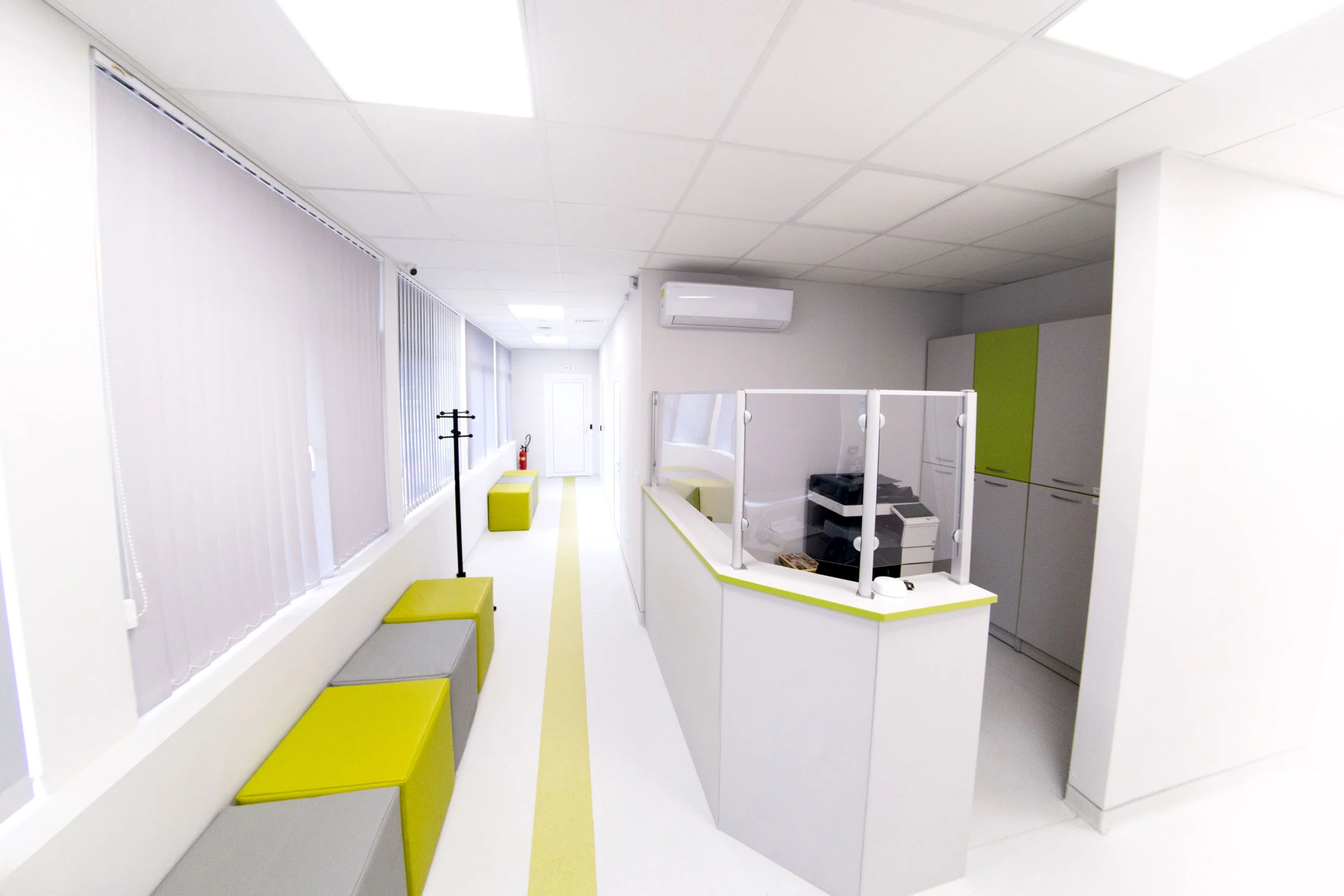
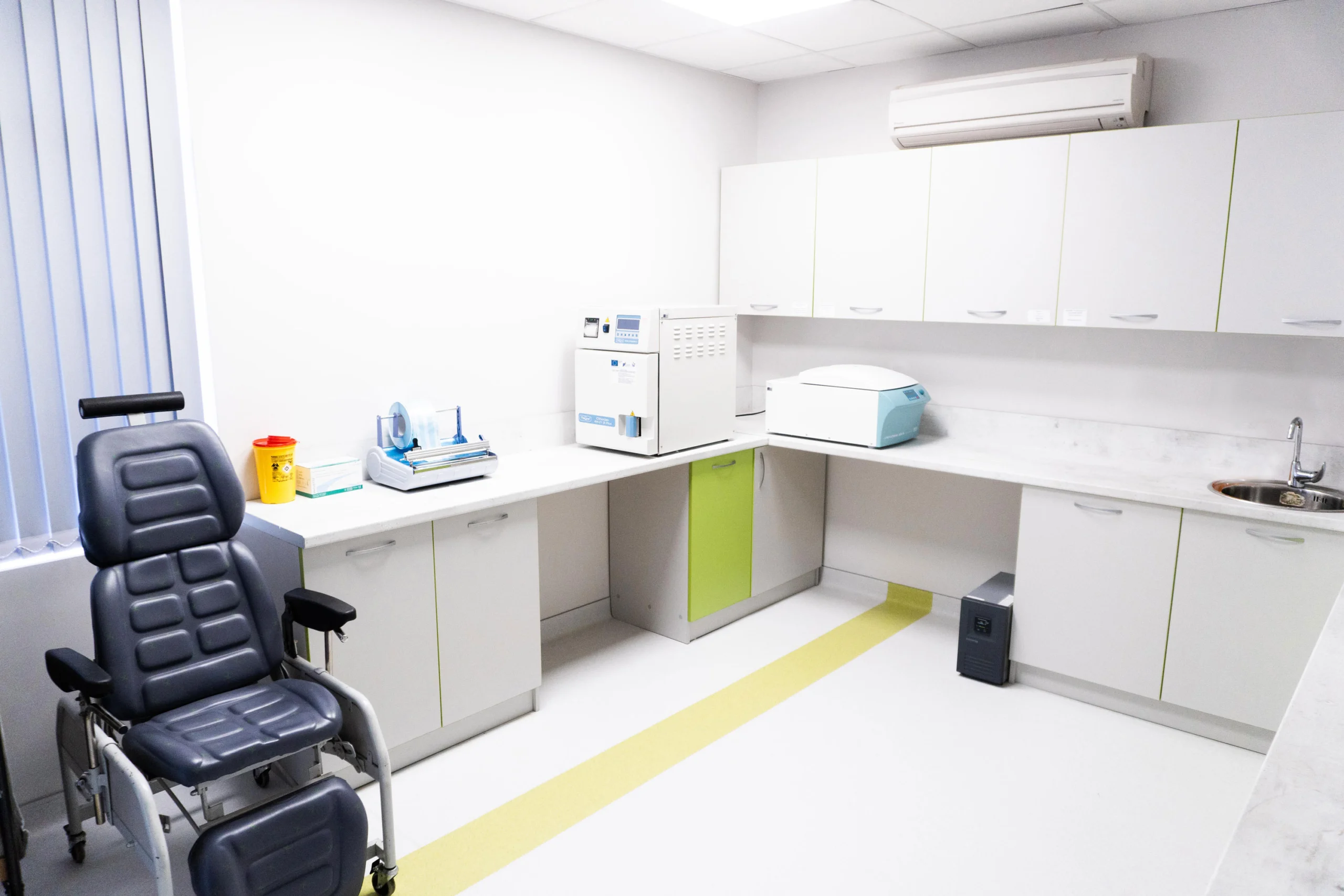
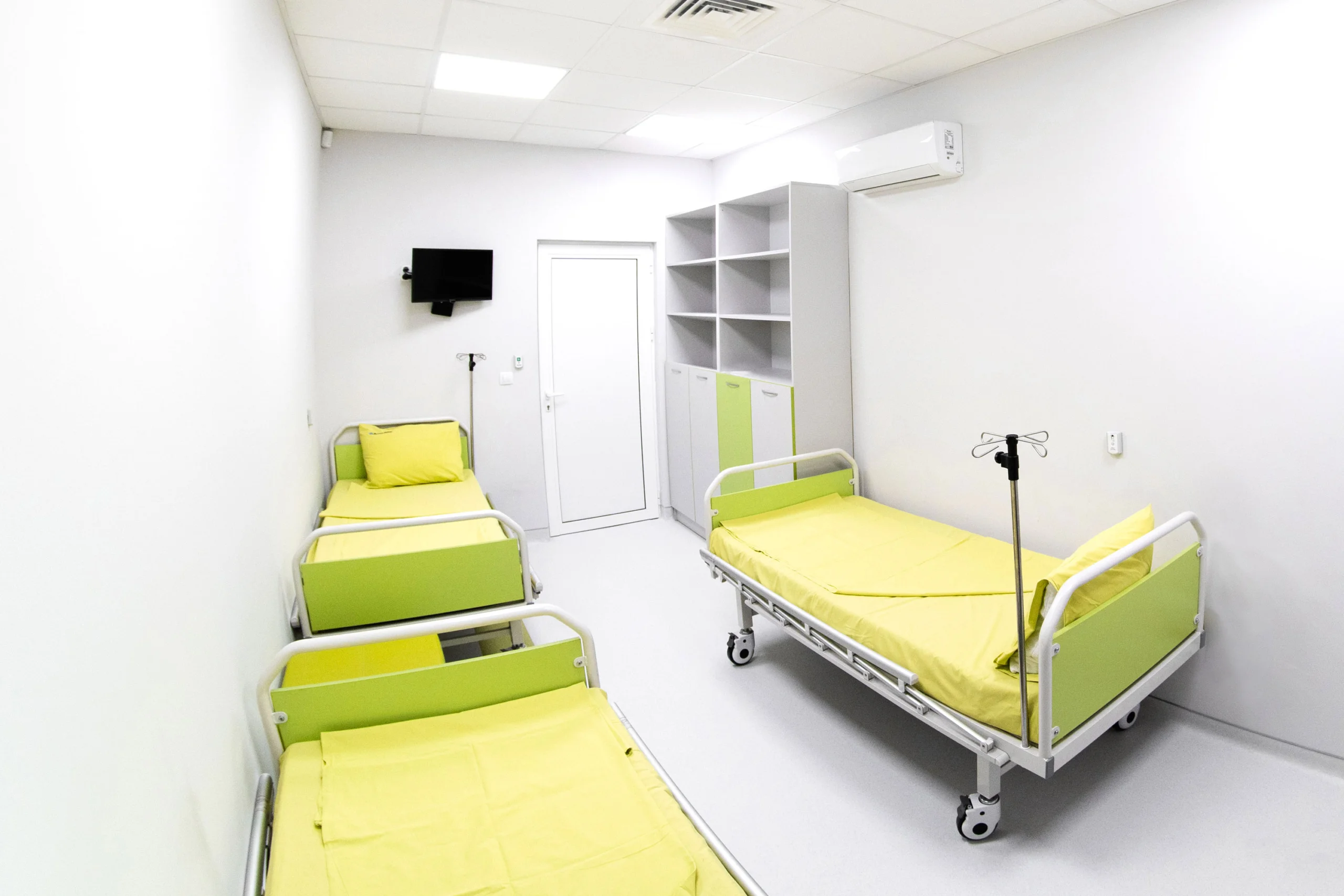
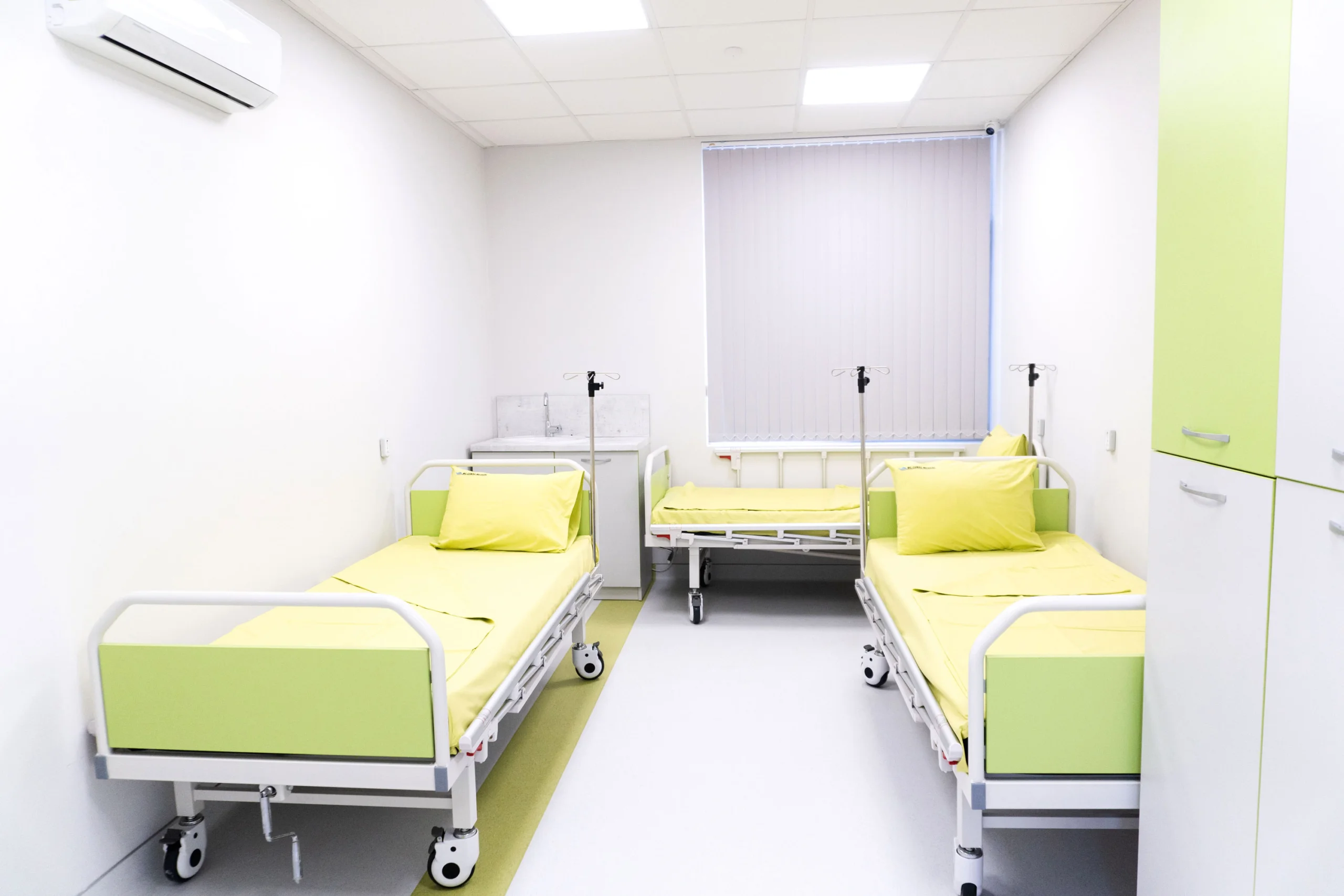
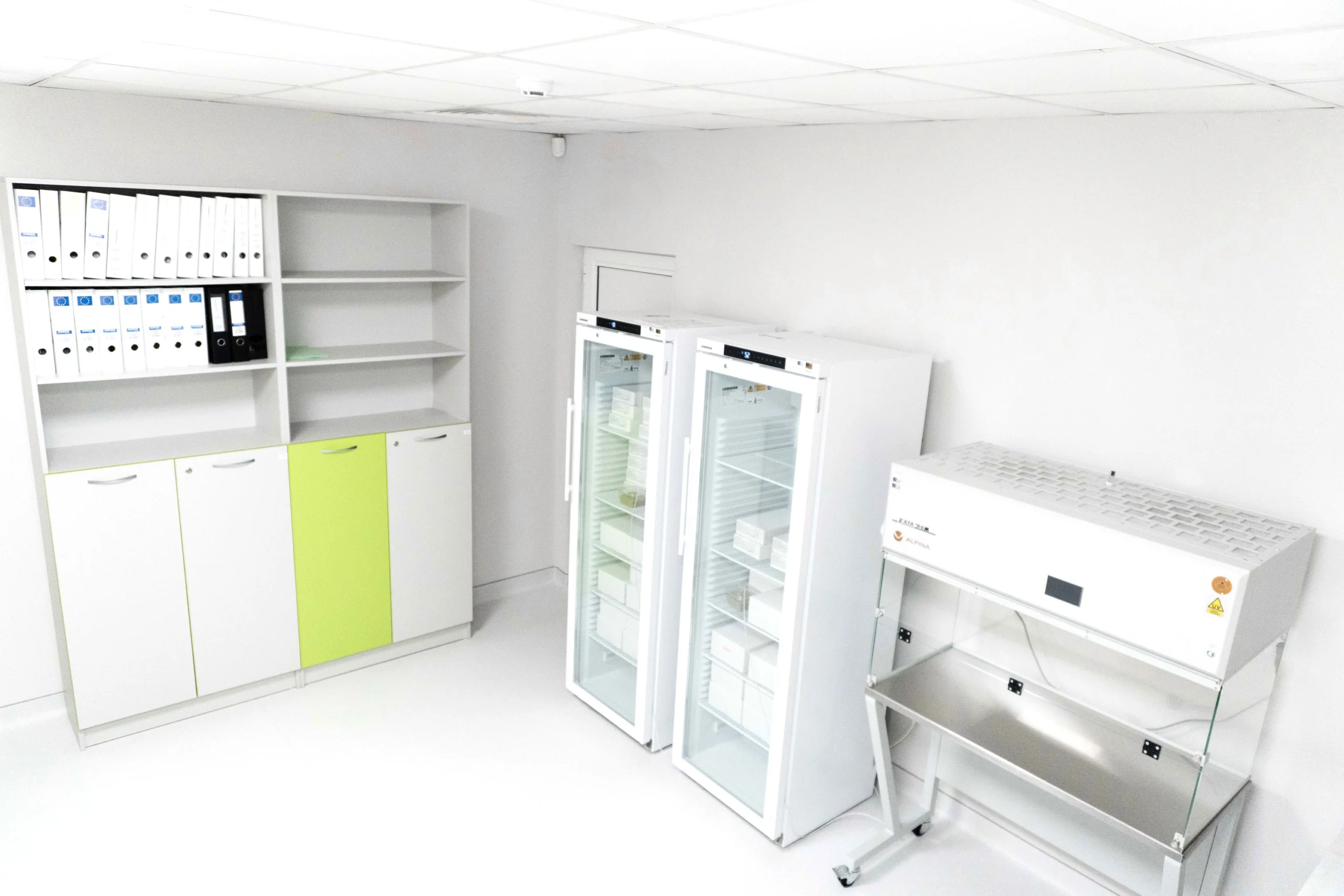
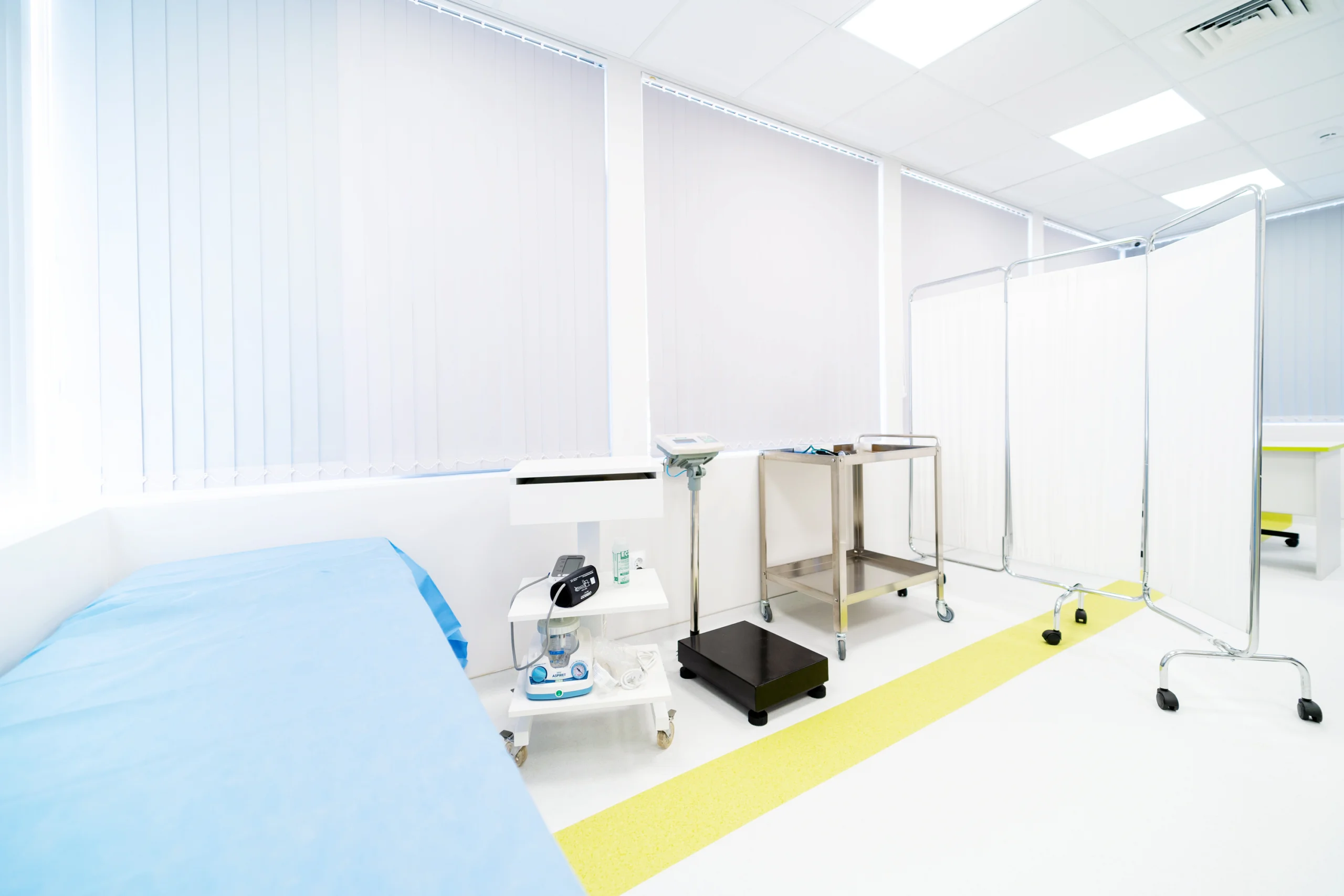
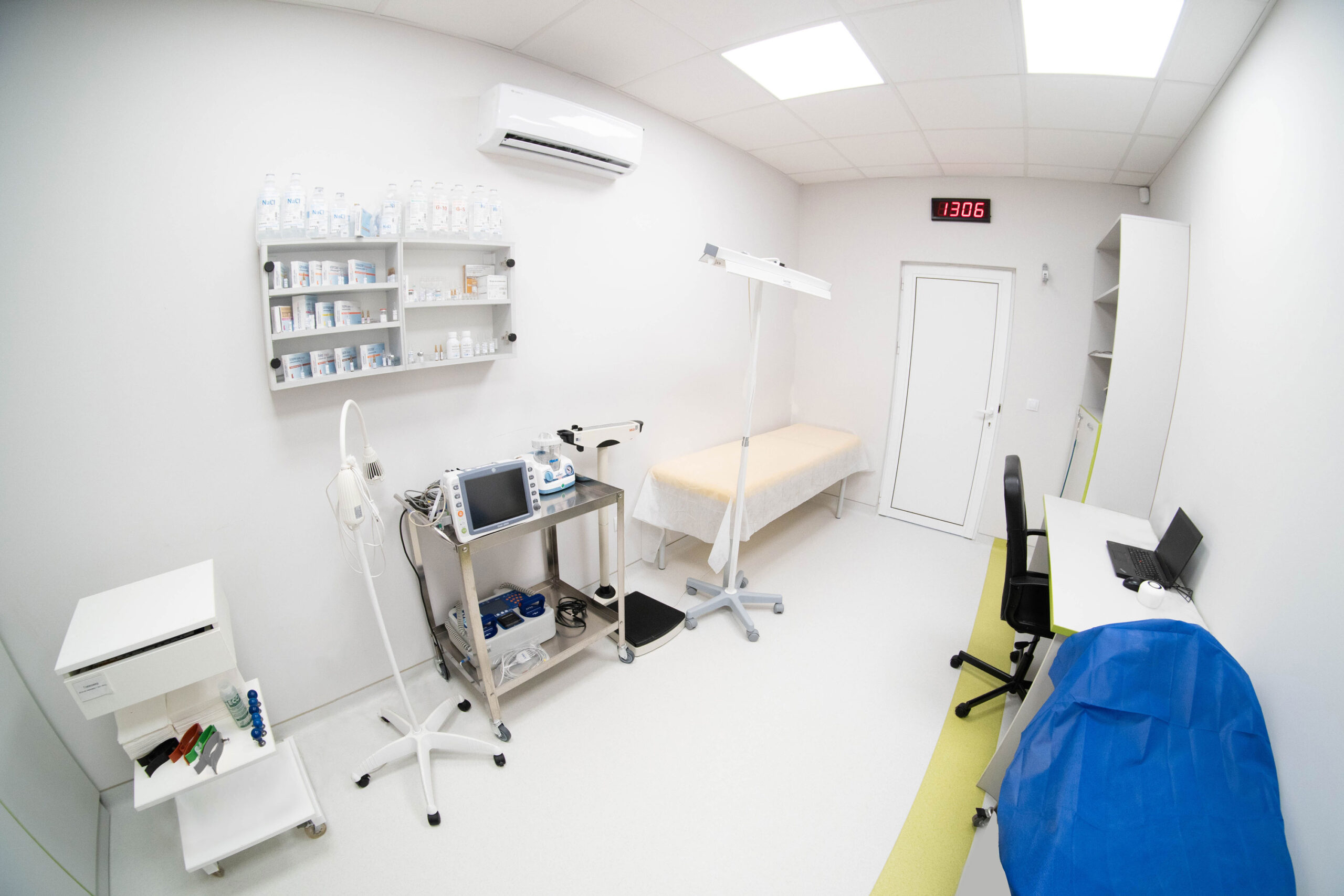
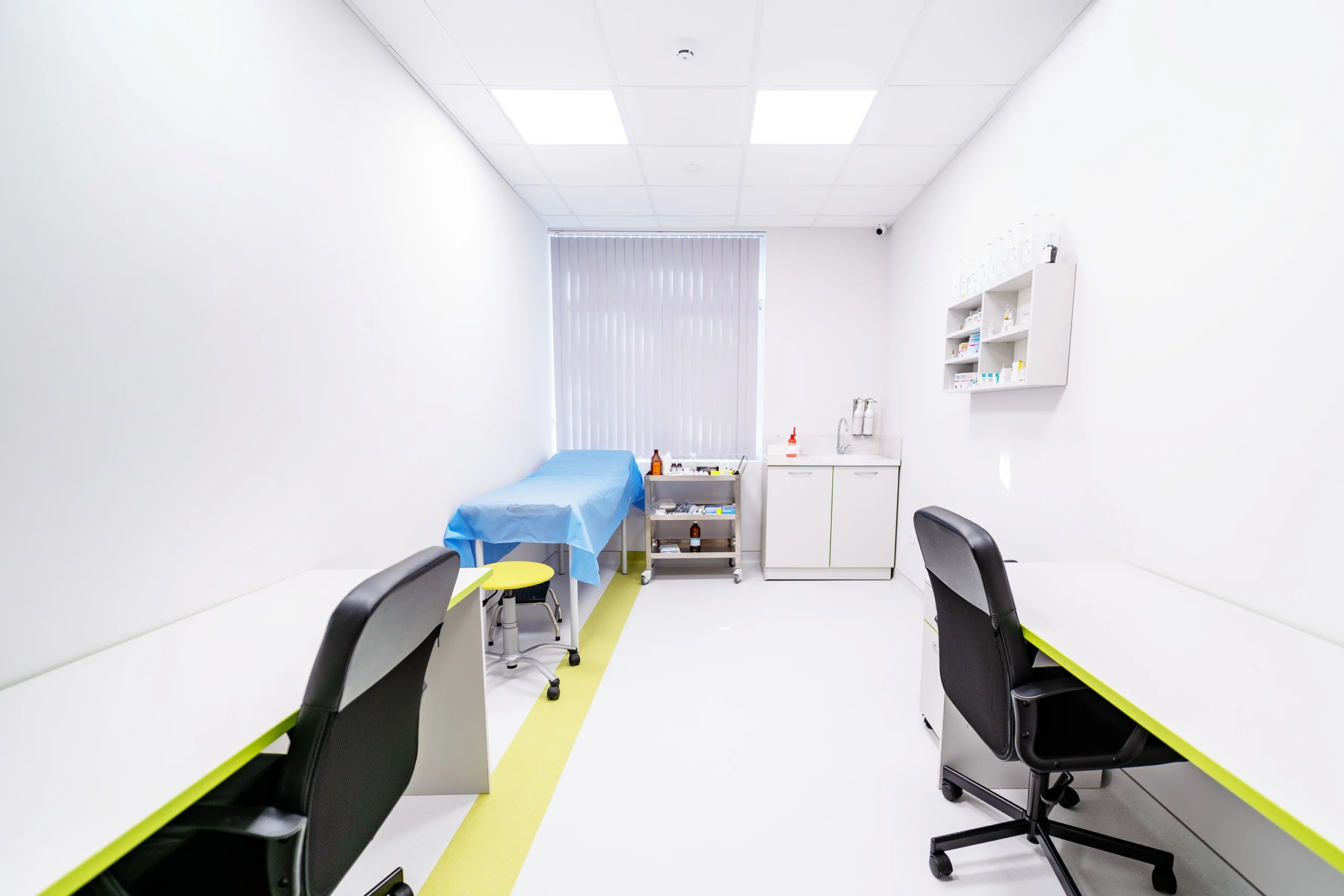
A Phase I Unit built for First-in-Human studies
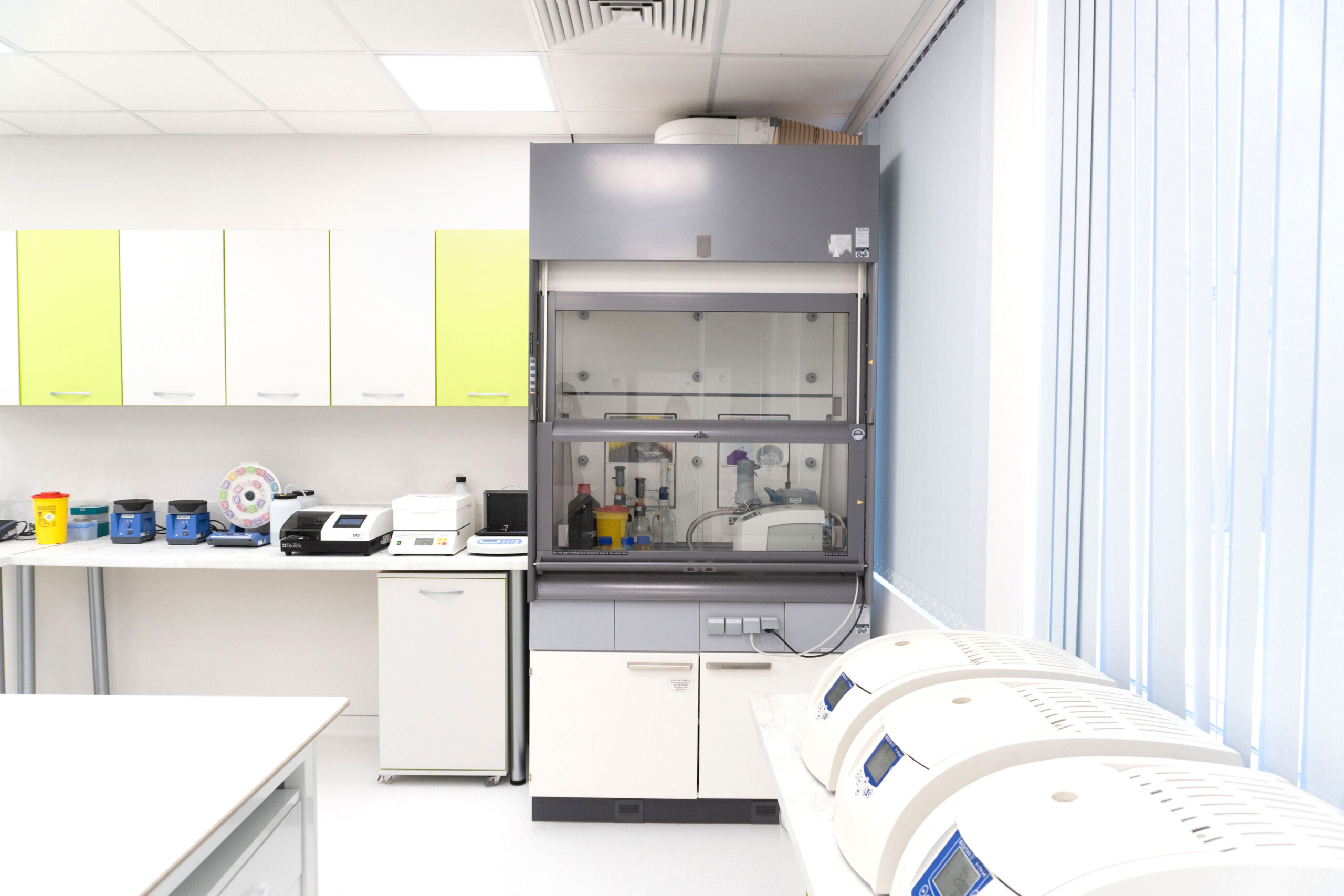
Clarenta’s Early Phase Clinical Research Unit in Sofia supports studies in healthy volunteers and patients. Located within a university medical centre, it provides access to experienced Principal Investigators and broader patient populations through physician referrals.
Our multidisciplinary team of physicians, nurses and specialists provides 24-hour coverage and weekend pharmacokinetic sampling. Structured processes and dedicated resources support parallel studies while maintaining participant safety, quality and consistent execution.


Why partner with Clarenta for your First-in-Human study?
Strategy connected to delivery
One view across the
study
Healthy-volunteer and patient pathways
Pan-European reach
Senior involvement
Continuity beyond FIH

Case study: Leading a First-in-Human immuno-oncology trial
Clarenta supported a European immuno-oncology biotech with its first FIH Phase I/IIa basket trial across Europe and the United States. Working as an extension of the sponsor’s team, we provided interim Clinical Operations leadership, led European submissions and trial delivery, coordinated sites and specialist vendors, and oversaw the US CRO.
The EU regulatory submission was completed within two weeks of the final protocol, and the first European patient was enrolled on schedule. In total, 262 patients were recruited across Europe. Successful delivery led the sponsor to award Clarenta a second clinical study.
First-in-Human study FAQs
An FIH study is the first time a specific investigational product is administered to humans. It often takes place in Phase I, but Phase I also includes other clinical pharmacology studies conducted after initial human exposure.
A First-in-Human CRO may support evidence review, protocol and starting-dose strategy, regulatory submissions, Phase I Unit and population planning, clinical conduct, safety oversight, PK/PD, data delivery and reporting. The scope should reflect the sponsor’s internal capabilities.
Starting-dose selection uses the totality of non-clinical pharmacology, toxicology, PK and exposure data, together with the product’s characteristics and mechanism. The rationale is product-specific and should follow applicable regulatory guidance.
In a SAD study, participants receive one dose and sequential cohorts receive higher doses after review. In a MAD study, participants receive repeated doses, allowing evaluation of repeat-dose safety, PK and accumulation.
Protection begins with an evidence-based starting dose and a protocol that defines monitoring, sentinel or staggered dosing, observation periods, stopping rules and escalation criteria. Medical oversight and structured review support each decision.
Both are possible. Healthy volunteers are common when expected risk is acceptable. Patients may be more appropriate when toxicity, mechanism, disease context or potential benefit makes healthy-volunteer exposure unsuitable.
There is no universal timeline. Duration depends on regulatory preparation, protocol complexity, population, cohort number, observation periods, recruitment and the safety, PK or PD evidence required between cohorts.
Yes. Clarenta can connect protocol and regulatory preparation with clinical execution, safety oversight, PK/PD and laboratory coordination, data delivery and reporting. The model can be full-service or adapted around the sponsor’s team.