Advanced facilities for early-phase clinical trials
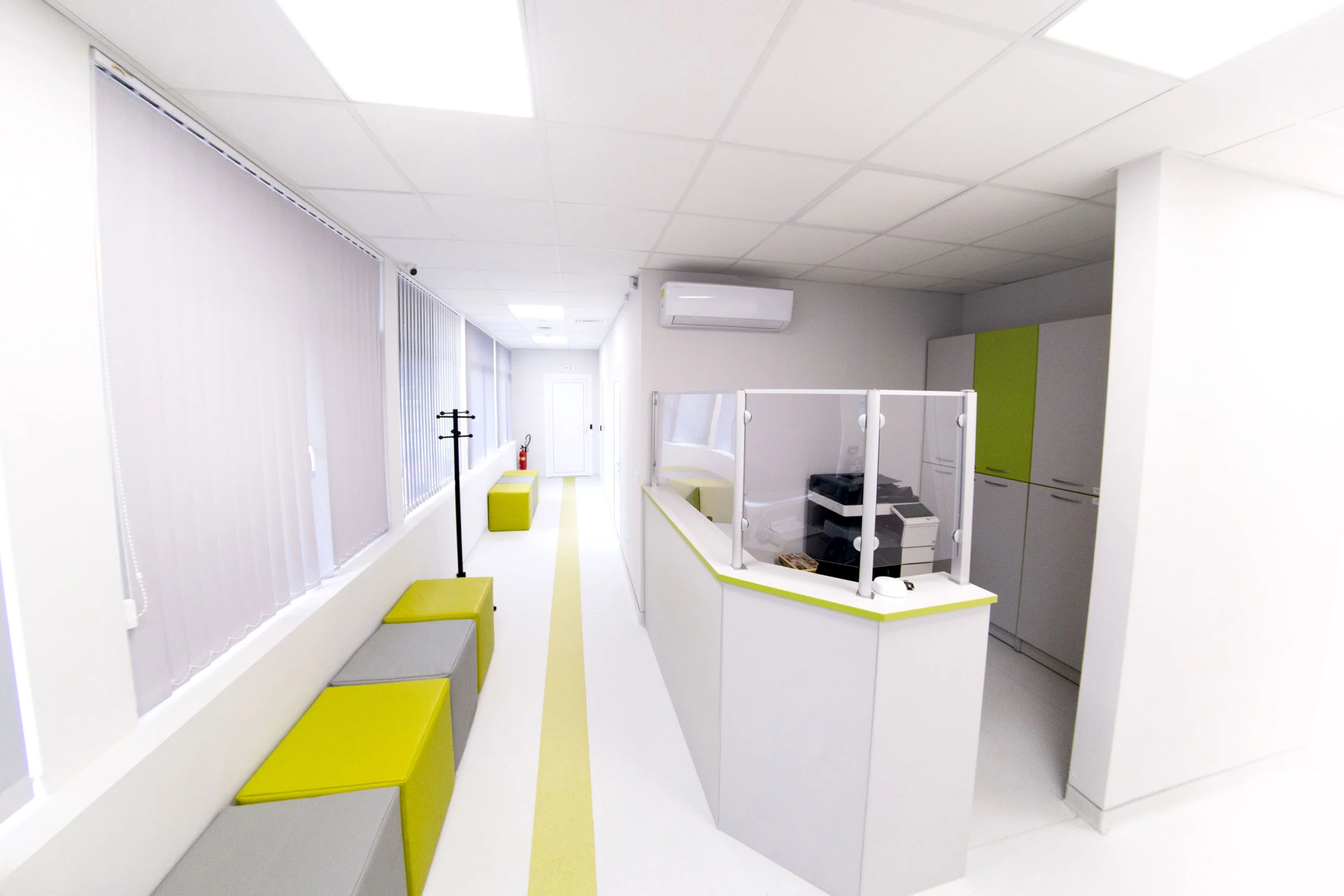
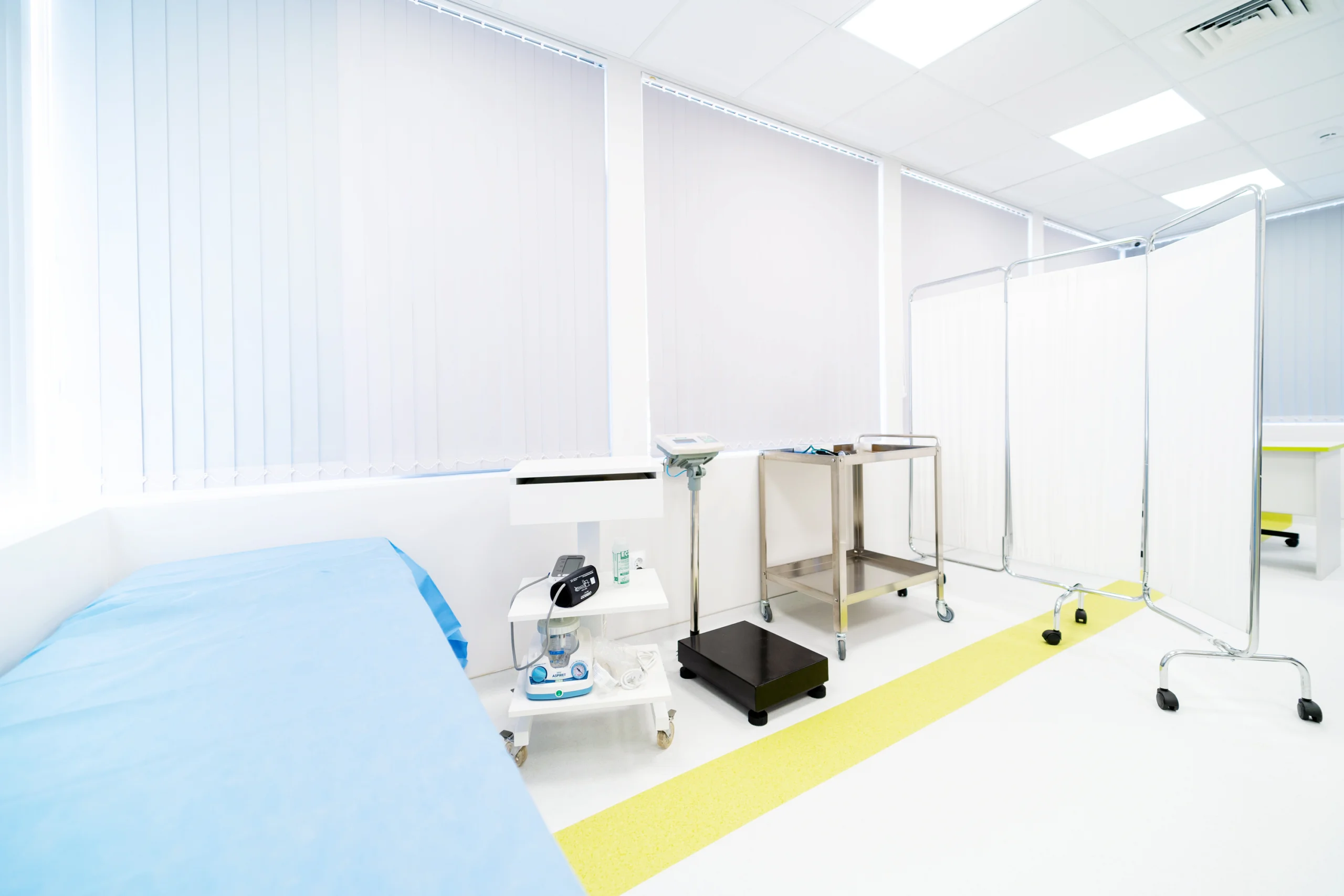
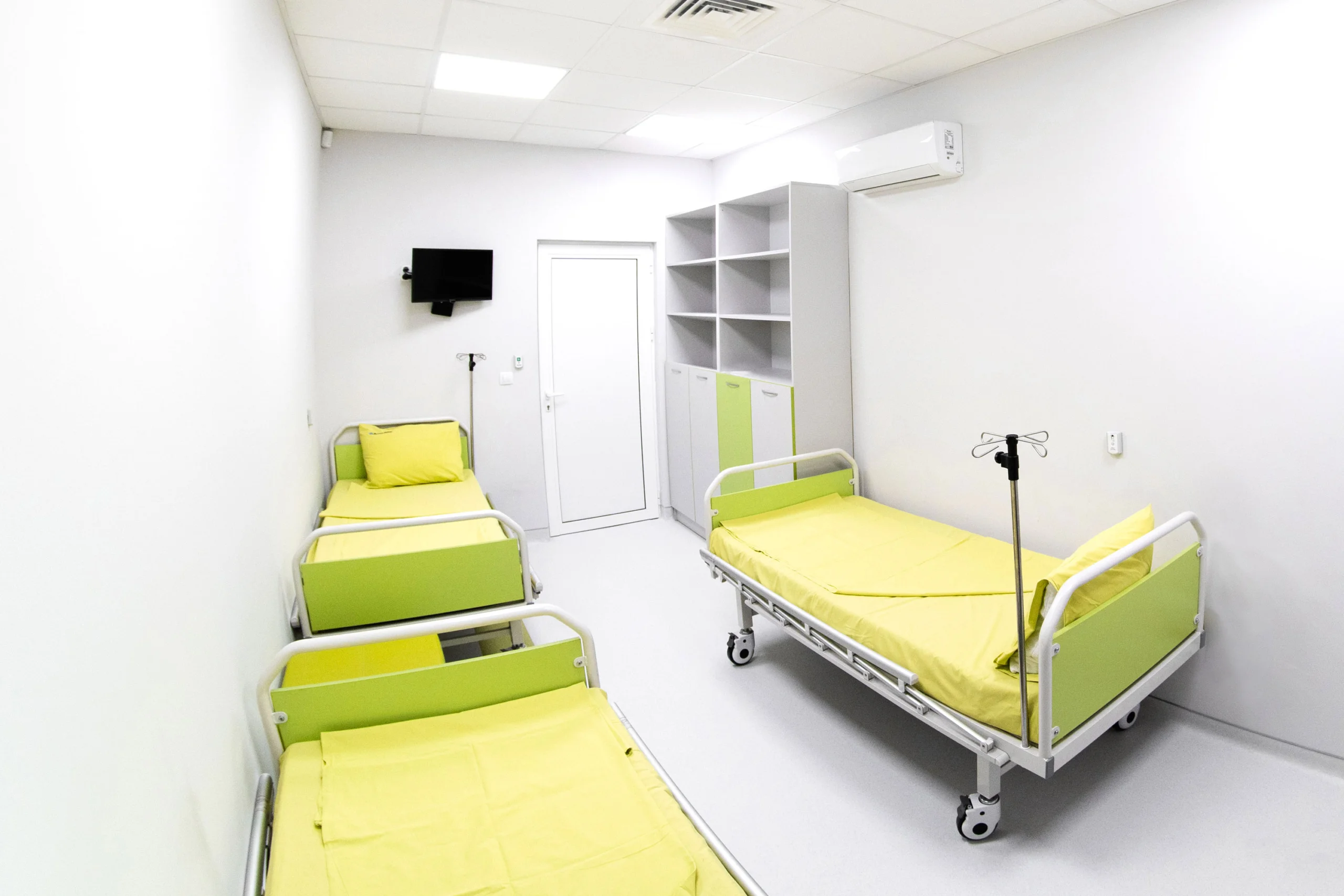
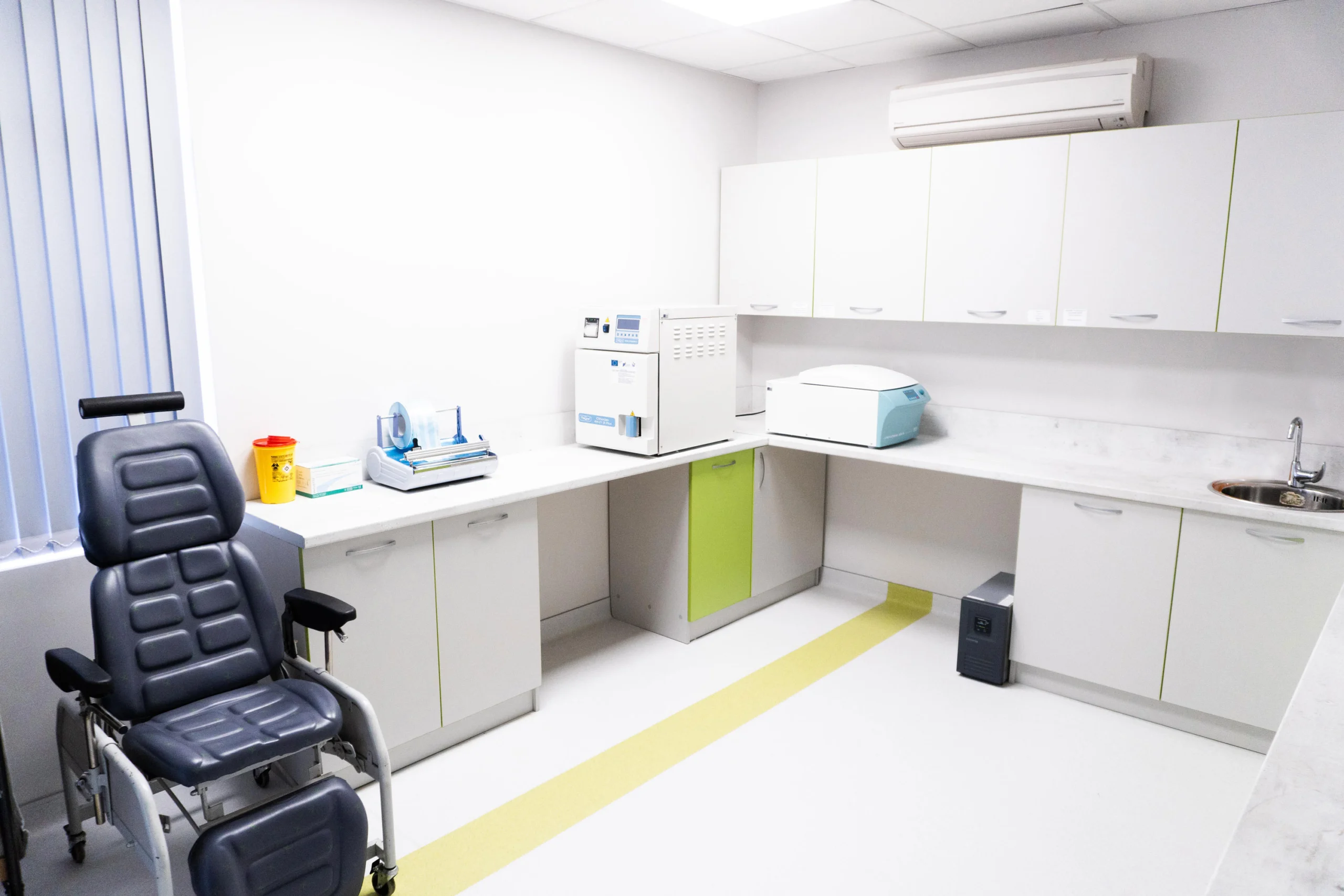
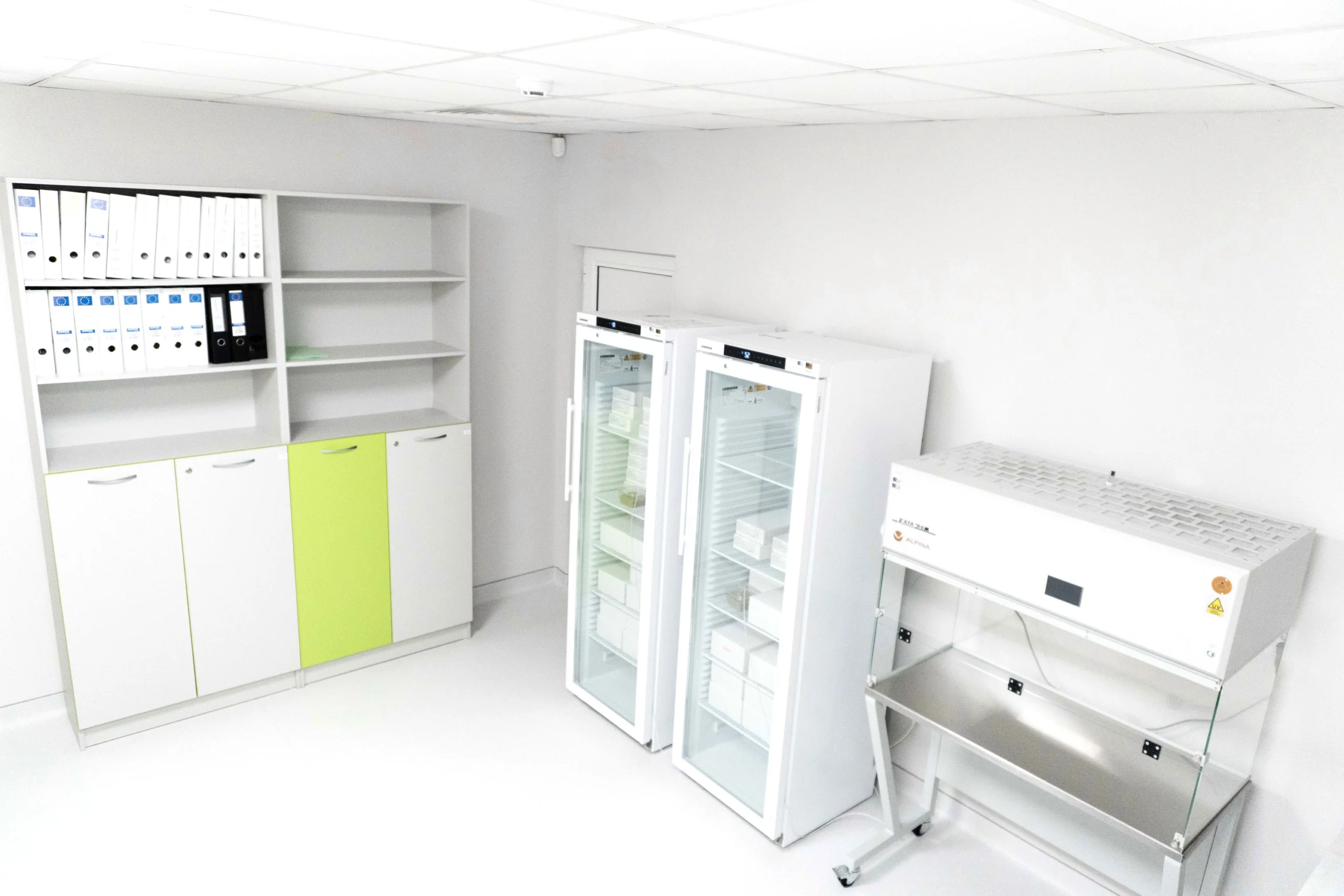
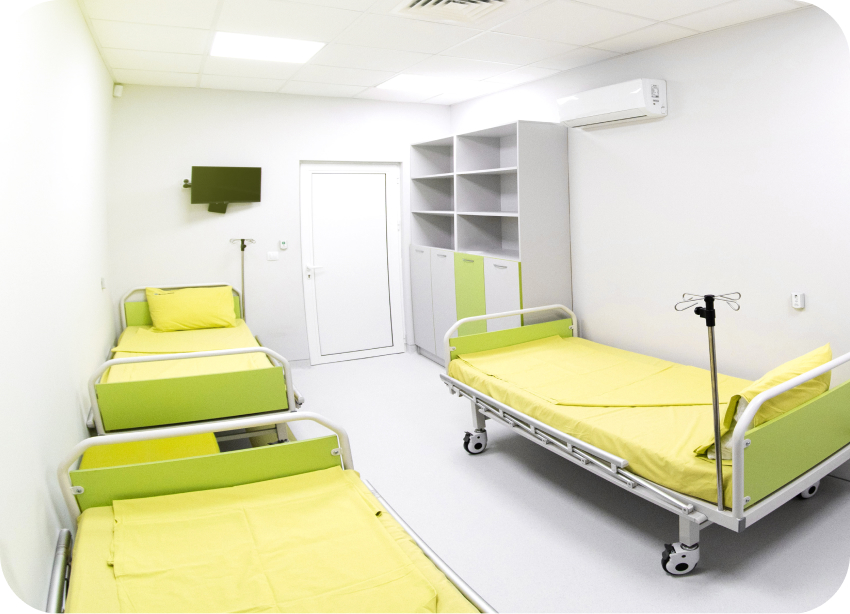
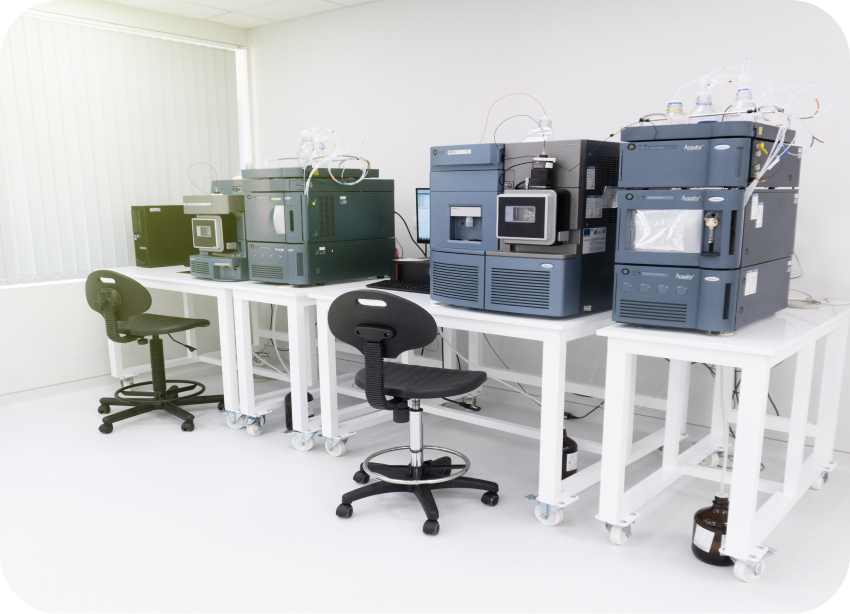
Discover Clarenta’s Early Phase Clinical Research Unit in Sofia, Bulgaria. With more than 18 years of experience in Phase I and bioavailability/bioequivalence (BA/BE) studies, our purpose-built facility is one of the largest early-phase units in Southeastern Europe.
Our Early Phase Clinical Research Unit in Sofia is located within a university medical centre, providing direct access to experienced Principal Investigators and broader patient populations through physician referrals.
Our multidisciplinary team of physicians, nurses and specialists provides 24-hour coverage and weekend pharmacokinetic sampling. Structured processes and dedicated resources allow us to run studies in parallel while maintaining patient safety, quality and consistent execution.
With more than 300 completed studies, we support early-phase development through integrated services, efficient study start-up and clear accountability from planning to delivery.


Early-phase risks & Clarenta solutions
Work falls between teams
When the CRO, Phase I unit and external laboratories are not coordinated, every handoff creates another point where responsibility can become unclear.
One team holds the thread
We are the CRO and the site, and we coordinate the external laboratories supporting the study. Study management, site delivery and laboratory coordination remain connected, with clear accountability from start-up onwards.
Unclear scope leads to rising costs
When responsibilities are not defined early, unassigned tasks surface mid-study as scope discussions, change orders and delays.
Responsibilities agreed before work starts
We define who is accountable for each activity before the study opens, align terminology across the contract, and make the boundaries of scope clear from the outset.
Recruitment forecasts need evidence
Site questionnaires can tell you what might be possible. We would rather establish what is realistic before you commit.
We check the database before you sign
During the proposal phase, we assess your inclusion criteria against our healthy volunteer database and use that evidence to inform the recruitment plan.
You should know who is handling the issue
When questions move through layers of support, context gets lost and decisions take longer.
The same people stay close to your study
You have one project manager throughout, while the CRA involved in start-up continues into clinical monitoring. Questions stay with people who know the study, so issues can be understood and resolved quickly.
Key features of our Phase I Unit
Early phase studies we support
From first-in-human dose escalation to clinical pharmacology and proof-of-concept, our Phase I unit supports a broad range of early phase study designs.
First-in-Human Studies
Single and multiple ascending dose studies in healthy volunteers and patients, supported by 24-hour medical cover and intensive PK sampling.
Early Phase Oncology
Dose-escalation and expansion studies in patients, with access to experienced oncology investigators, established referral networks and integrated early-phase delivery in Sofia.
Proof-of-Concept Studies
Early patient studies designed to move from safety and pharmacology towards an initial signal of clinical activity.
Early Phase Development
Feasibility, protocol design and early development strategy from the same organisation supporting study delivery.

From our clinical leadership